








CRM for Home Builders: Turn More Inquiries Into Signed Contracts
What Is CRM for Home Builders and Why It Matters


Key Features to Look For in CRM for Home Builders
Not all CRMs are built the same. Some focus on sales, while others support full construction workflows.
However, the best CRM for home builders combines both.
Core features include:
- Lead Capture: Automatically import leads from platforms like Zillow or Realtor.com
- Client Portal: Give homeowners access to schedules, updates, and documents
- Estimating Integration: Turn leads into bids without re-entering data
- Mobile Access: Update projects and notes directly from the field
- Pipeline Management: Track deals from inquiry to signed contract
- Automated Follow-Ups: Ensure no lead goes cold
- Document Management: Store contracts, plans, and permits
- Scheduling Tools: Manage timelines and subcontractors
In addition, advanced systems include reporting dashboards, marketing automation, and integrations with accounting tools.
CRM for Home Builders: Features, Pricing, and Use Cases
After understanding the basics, it helps to compare what different systems offer.
| Category | Details |
|---|---|
| Core Features | Lead tracking, pipeline management, client portal, estimating tools, automation |
| Pricing Range | $25–$300+ per user/month depending on complexity |
| Use Cases | Custom home builders, spec builders, remodelers, developers |
| Product Types | Construction-specific CRM, general CRM with integrations, all-in-one platforms |
What Changes After Bluestage
When Bluestage is implemented, everything tightens up. Leads are contacted faster, estimates close at higher rates, and your entire job pipeline becomes organized and visible in one place. Follow-ups and reminders run automatically, generating more 5-star reviews, repeat customers, and predictable revenue tracking. This isn’t just another CRM, it’s infrastructure built for serious contractors who want control and growth.
All the Tools Inside the Bluestage Platform
Customer / Audience CRM
Organize leads in one secure, multi-lingual software. Create profiles, and track activity like never before.
Email Marketing
Design emails that people actually want to open. Done-for-You templates that are tested to increase Click Through Rate.
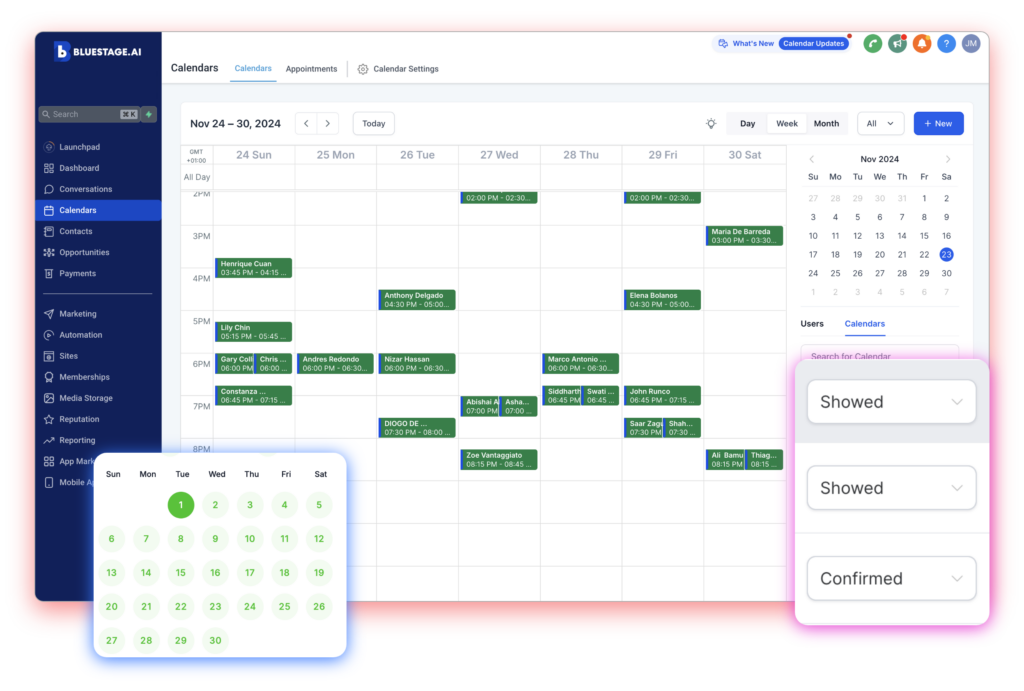
Calendar Scheduler
It's smart scheduling, seamless coordination with unlimited calendars, and automation.
SMS Bulk Text Blaster
Connect with your audience instantly through 2-way bulk SMS text messaging.
WhatsApp Bulk Sender
Enable WhatsApp messages for your audience - send to thousands instantly.
Sales Funnels
Streamline your sales funnels with automated lead capturing and follow-ups.
Workflow Automation
Automate tasks that take you time - lead follow-ups, reminders - ALL AUTOMATED
Landing Pages
Design landing pages or websites that convert traffic into leads.
Online Courses
Launch online courses while collecting payment upfront, or simply create subscriptions.
Surveys & Forms
Turn every interaction into an opportunity with branded Forms + Surveys for lead capturing.
Chatbot 24/7
Chatbot is a live, 24/7, smart, always-on chatbot that enhances support, captures leads, and streamlines bookings—automatically.
Tracking & Analyrics
Track and analyze your marketing campaigns, giving you a roadmap on what is working and what needs improvement.
Types of CRM for Home Builders
- Construction-Specific CRM These platforms are designed for builders. They include project tracking, estimating, and scheduling. Because of this, they reduce the need for extra tools. However, they may lack advanced marketing automation.
- General CRM with Customization Platforms like Salesforce or HubSpot fall into this category. They offer powerful automation and scalability. However, they require customization to fit construction workflows. Therefore, setup can be complex and costly.
- All-in-One CRM Platforms This is where platforms like BluestageAI stand out. They combine CRM, marketing automation, and communication tools in one system. As a result, builders can manage leads, campaigns, and clients without switching tools. Most importantly, they reduce operational complexity while improving conversion rates.
Many builders still rely on spreadsheets, emails, and manual tracking.
However, this approach creates missed opportunities and delays.
Traditional methods:
- Lost leads
- Poor follow-up
- Disorganized communication
- Limited visibility
CRM-driven approach:
- Centralized data
- Automated workflows
- Real-time updates
- Higher close rates
Because of this shift, CRM adoption is no longer optional—it is a competitive advantage.
CRM for Home Builders vs Traditional Methods
How CRM Improves for
the Home Building Process

Lead Management
First impressions matter. A CRM captures and organizes every inquiry instantly. As a result, teams respond faster and increase conversion rates.
Sales Pipeline Control
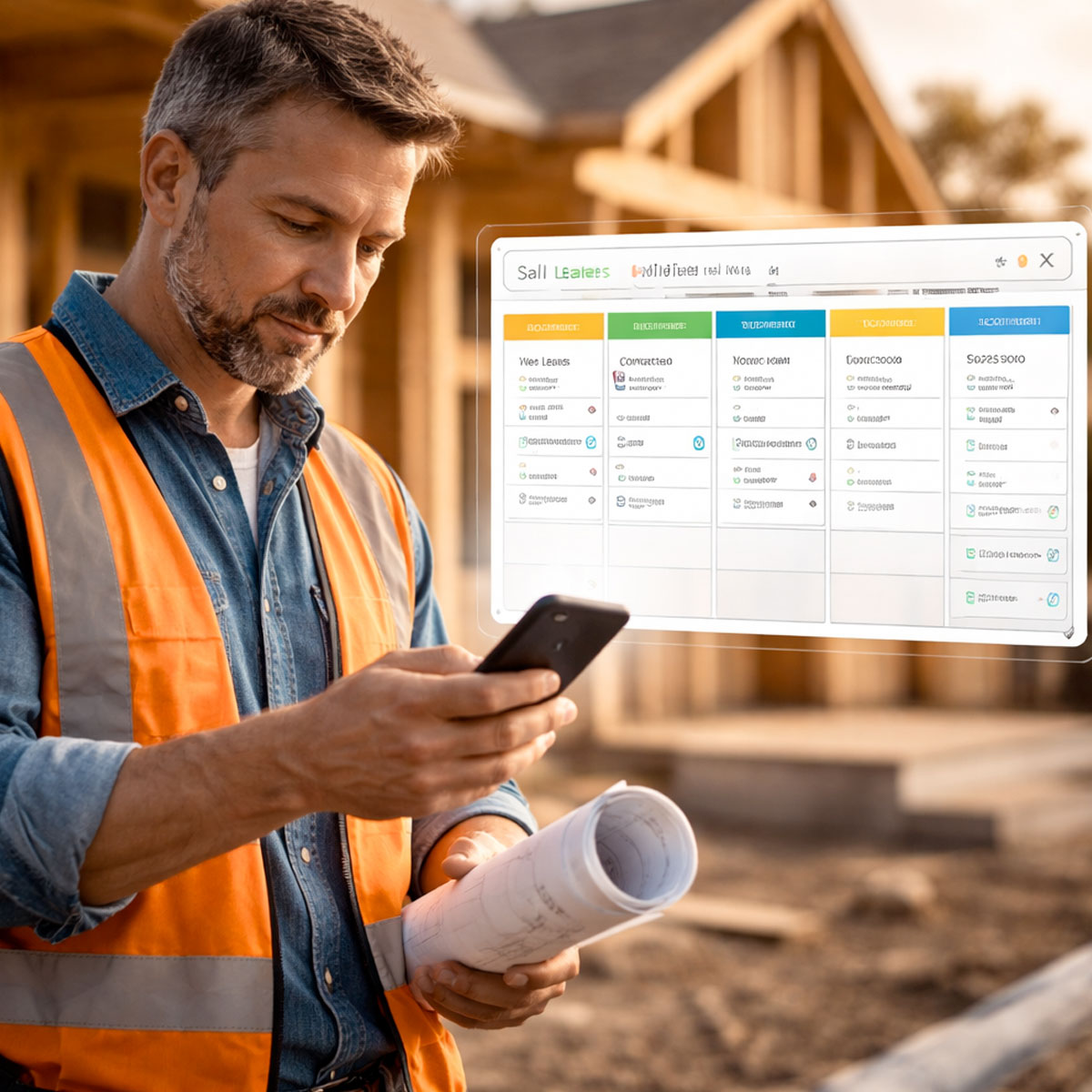
Deals often stall due to poor tracking. However, a CRM provides clear visibility into every stage. Therefore, sales teams can prioritize high-value opportunities.
Client Communication
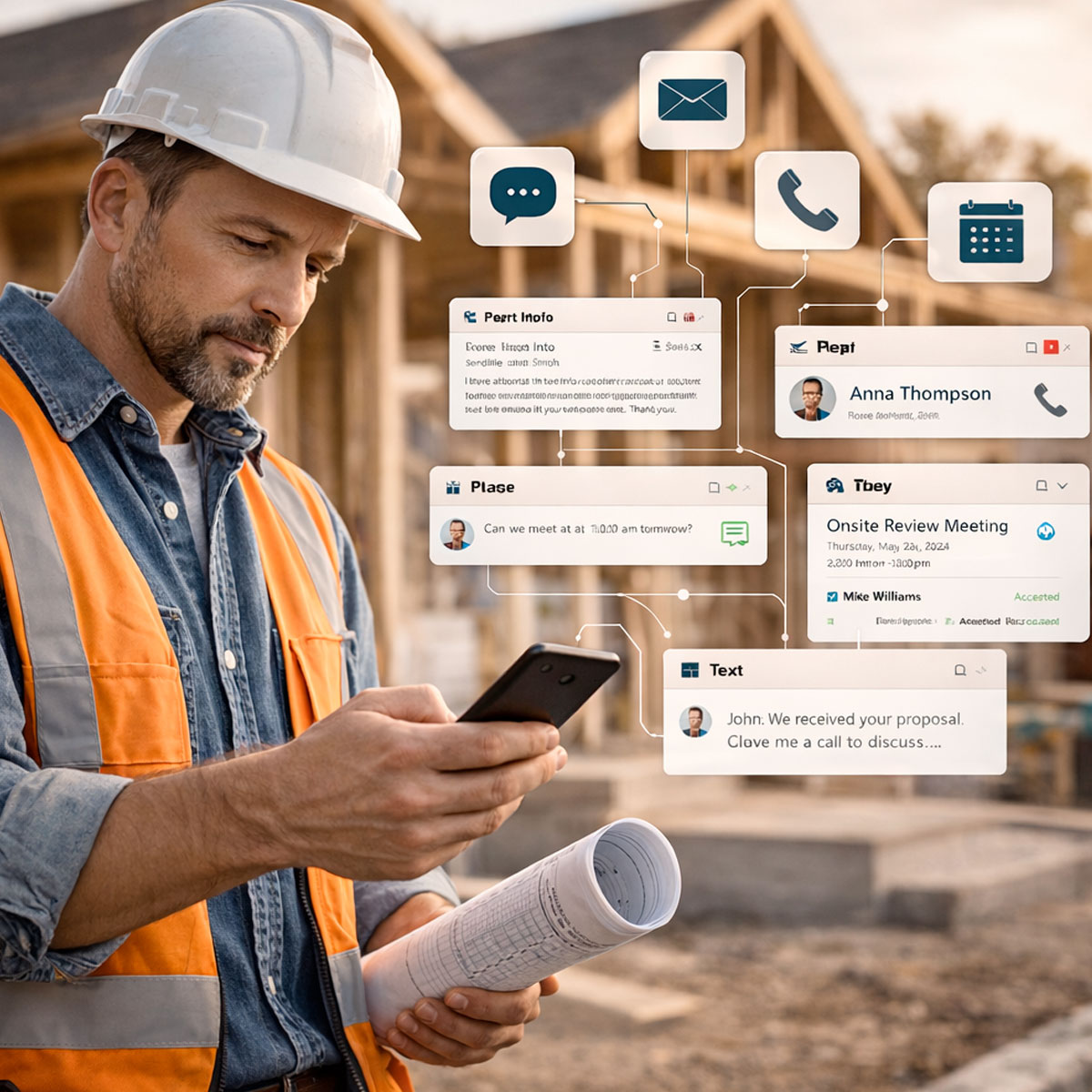
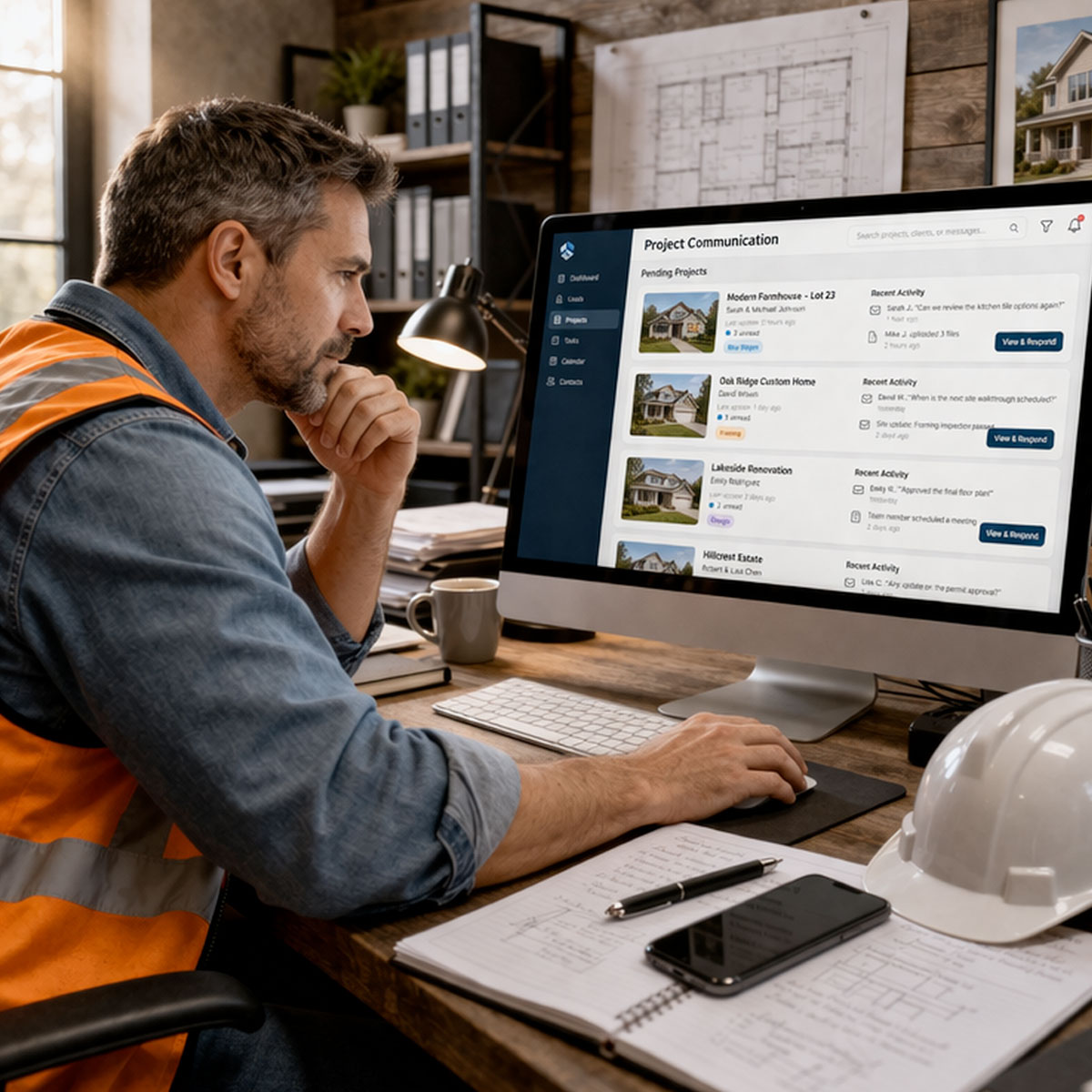
Homeowners expect transparency. A CRM with a client portal keeps them informed with updates, documents, and timelines. Consequently, trust improves and complaints decrease.
Project Coordination
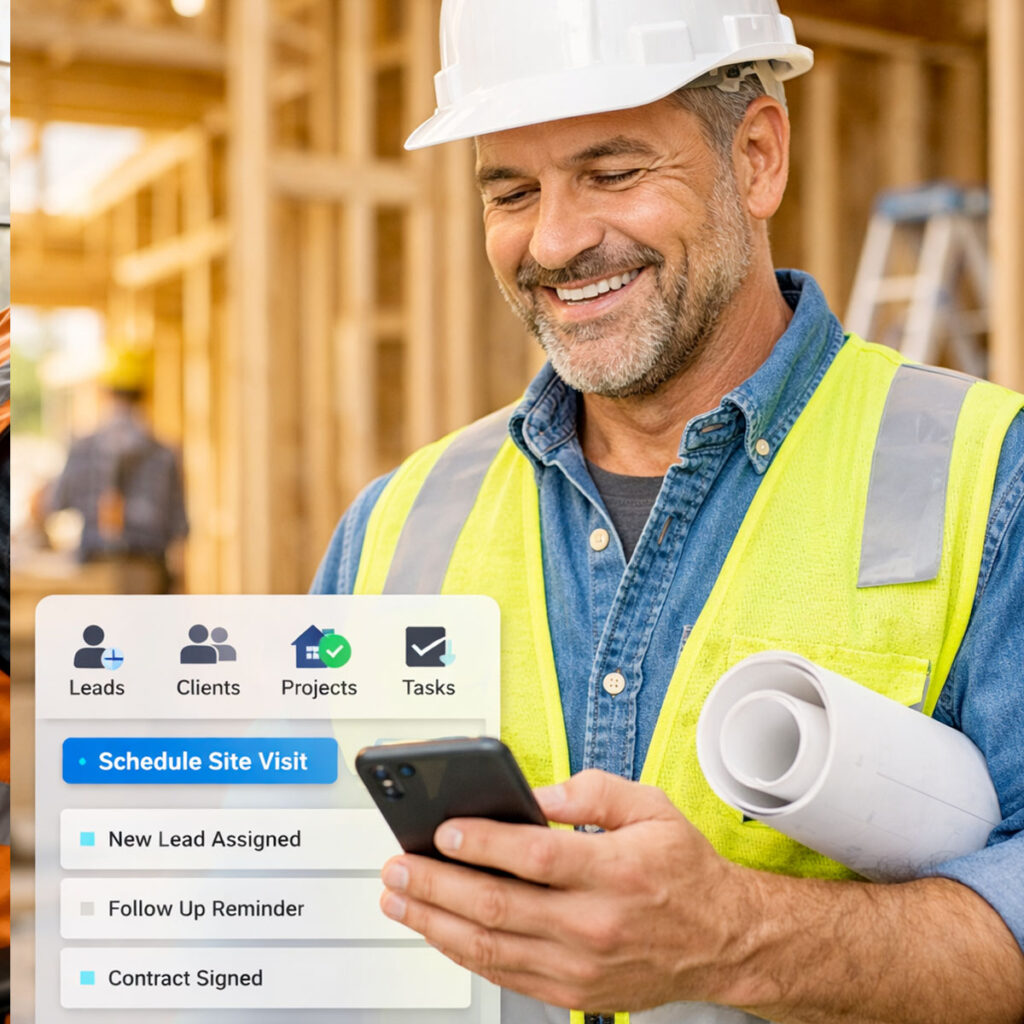
Homeowners expect transparency. Builders juggle multiple moving parts. With CRM integration, schedules, notes, and updates stay in one place. This reduces errors and improves team collaboration.
Real-World Use Cases of CRM for Home Builders
Spec Builders
Speed is critical.
CRM systems automate marketing and lead follow-ups, helping sell properties faster.
Remodeling Companies
They handle multiple small projects.
CRM ensures no client or job detail gets lost.
Developers
They manage multiple units and buyers.
CRM centralizes communication and improves coordination across teams.
How to Choose the Right CRM for Home Builders
Not every CRM will fit your business. Therefore, selection requires careful evaluation.
Ask these questions:
- Does it support construction workflows?
- Can it integrate with estimating and accounting tools?
- Is it easy for your team to use?
- Does it scale as your business grows?
Most importantly, avoid choosing based only on price. Instead, focus on long-term value and usability.
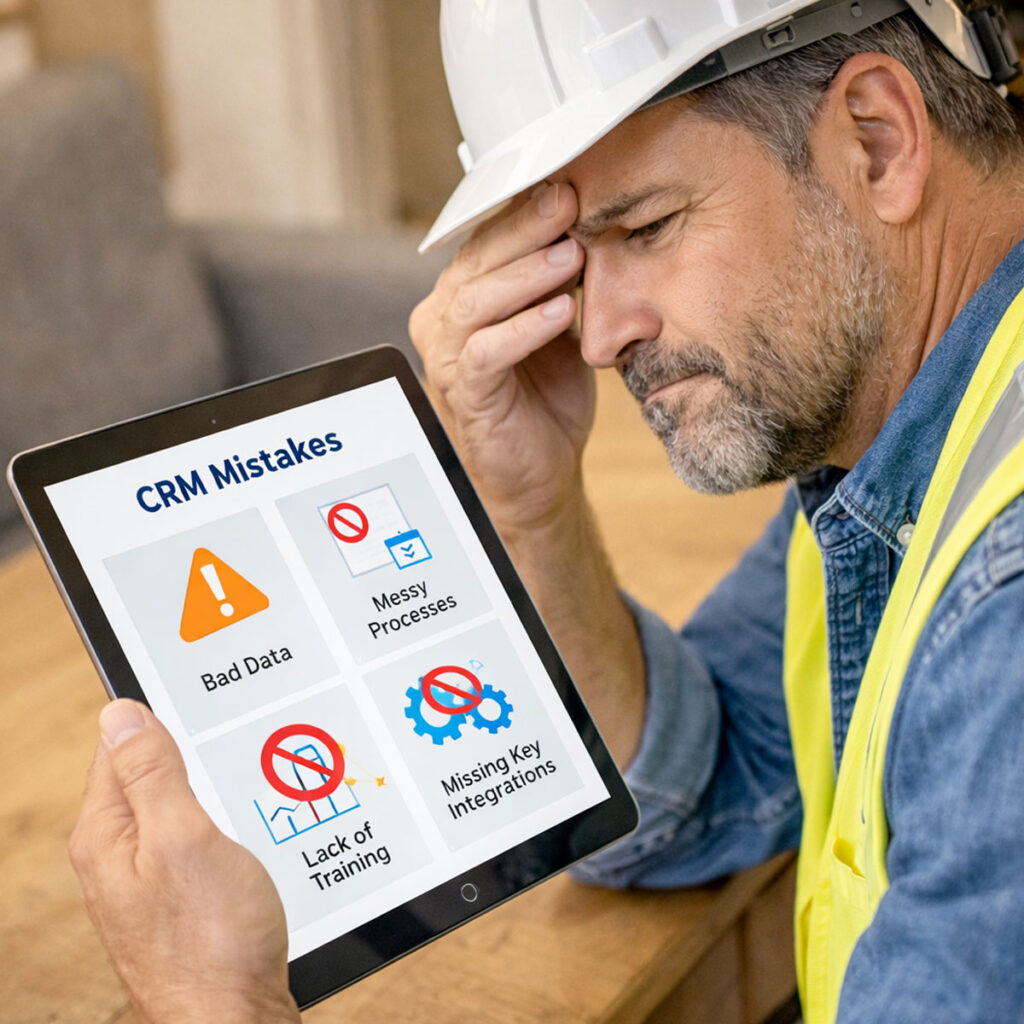
Common Mistakes When Choosing a CRM
Many builders rush the decision. As a result, they end up switching systems later.
Common pitfalls include:
- Choosing overly complex software
- Ignoring mobile usability
- Skipping team training
- Not defining workflows before setup
Because of this, implementation often fails—not the software itself.
CRM for Home Builders and Marketing Automation
Modern builders need more than project tracking.
They need consistent lead generation.
- A CRM with marketing automation allows you to:
- Capture leads from websites and ads
- Send automated email and SMS follow-ups
- Nurture prospects over long sales cycles
- Track campaign performance
Therefore, marketing and CRM should not be separate systems.
Why Builders Are Moving Toward All-in-One CRM Platforms
Advanced Strategies for
for Scaling with CRM

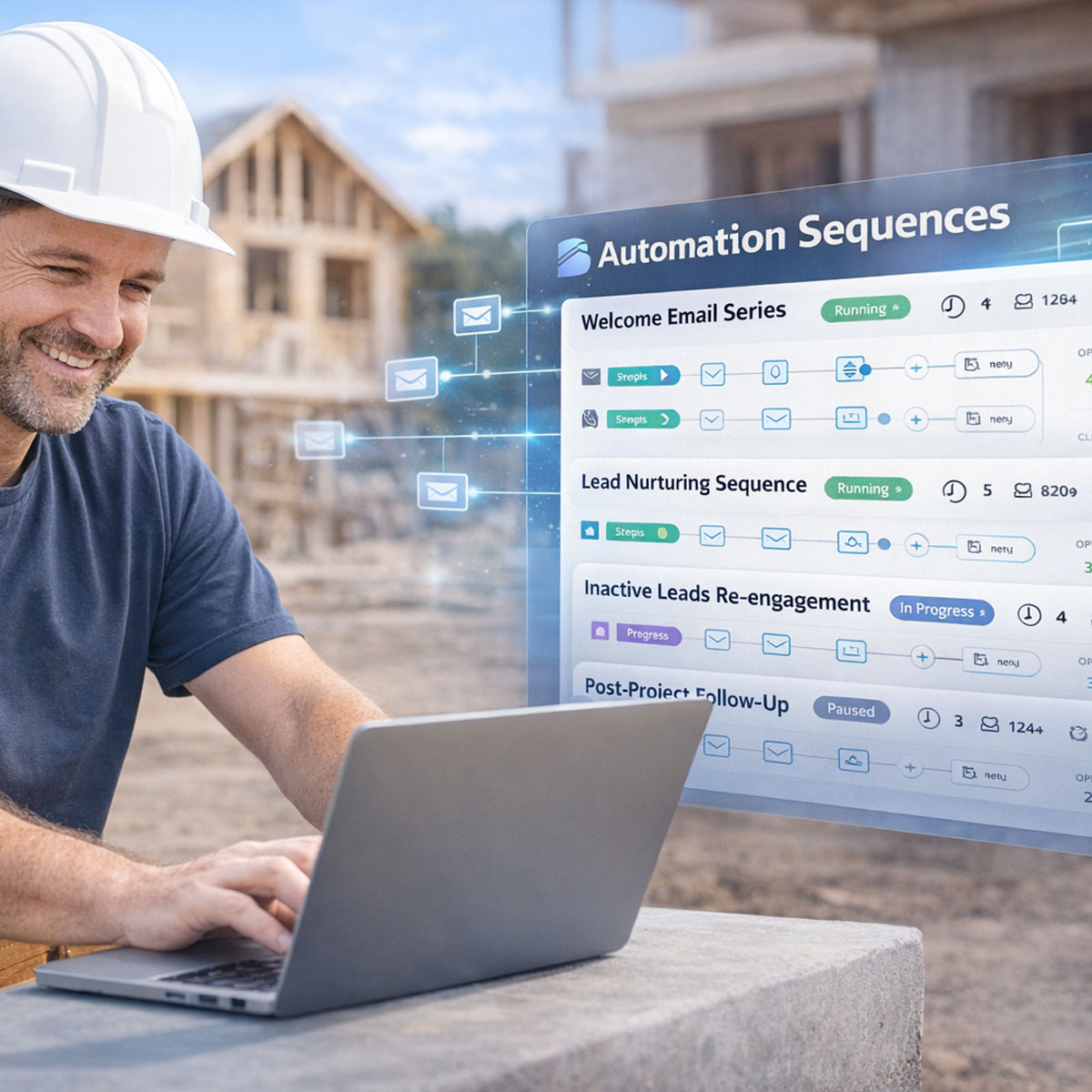
Automation Sequences
Set up workflows for every stage. For example, automate follow-ups after inquiries, site visits, and proposals.
Data-Driven Decisions
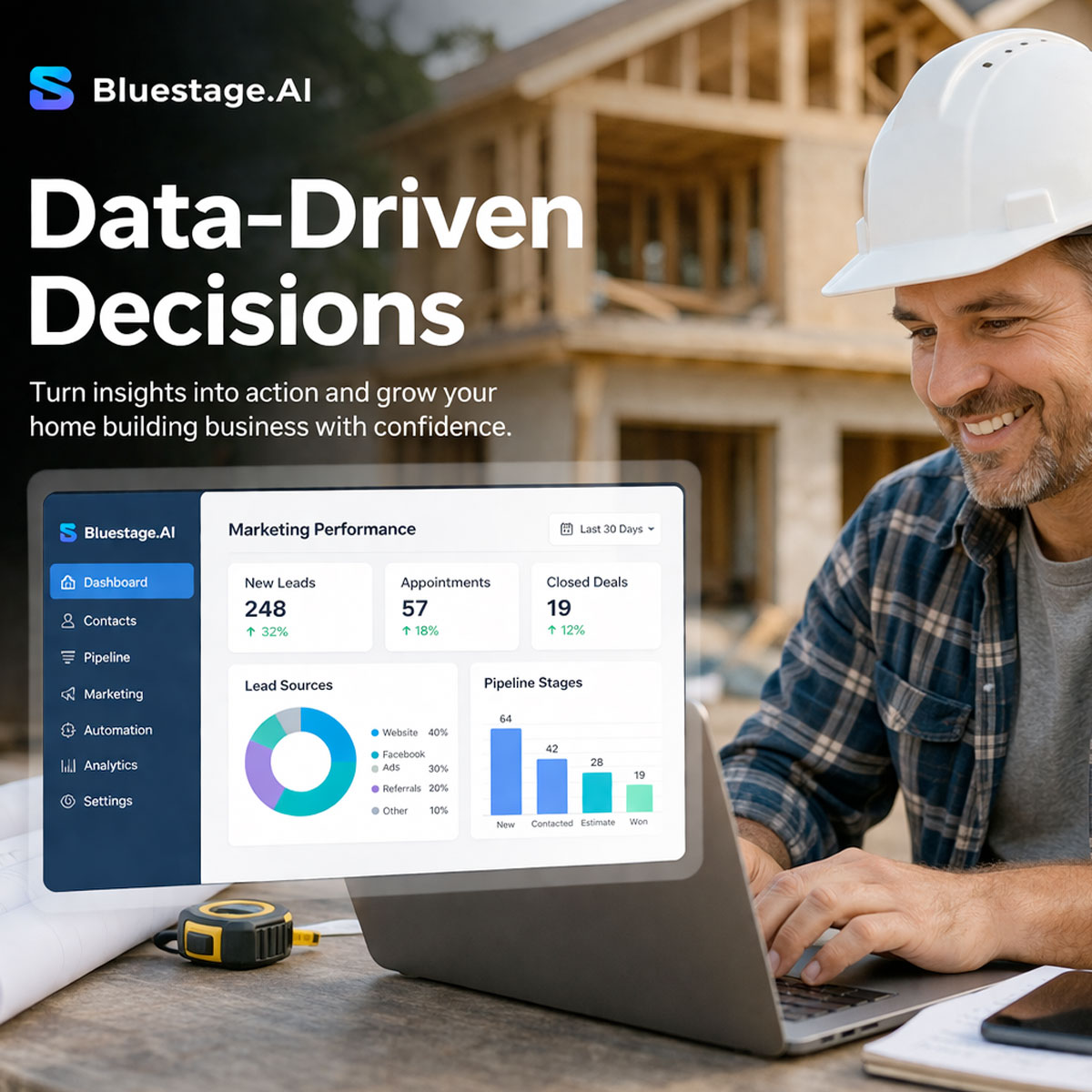
CRM dashboards reveal trends. Therefore, you can identify which channels generate the best leads.
Client Experience Optimization
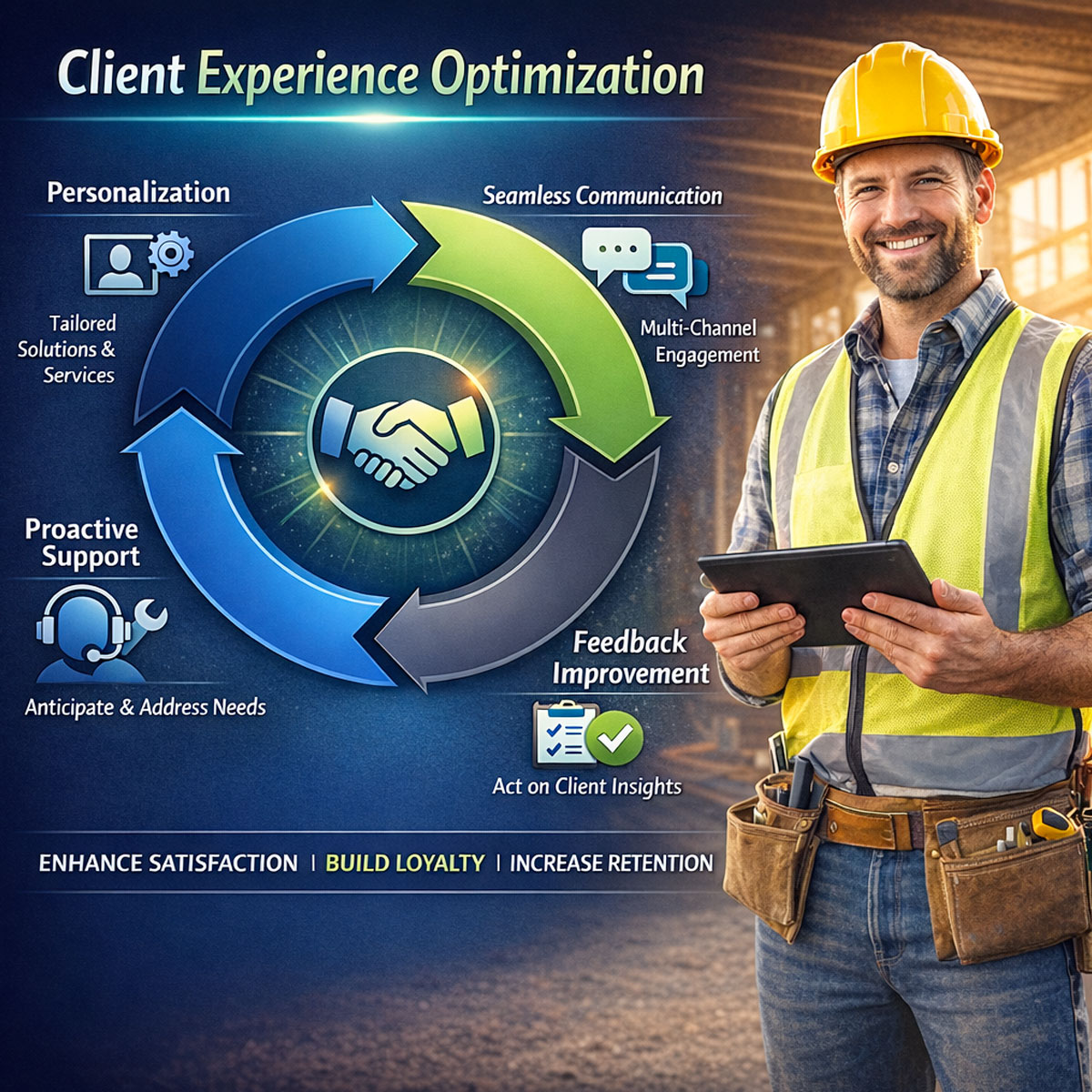
Use portals and updates to improve transparency. As a result, referrals and reviews increase.
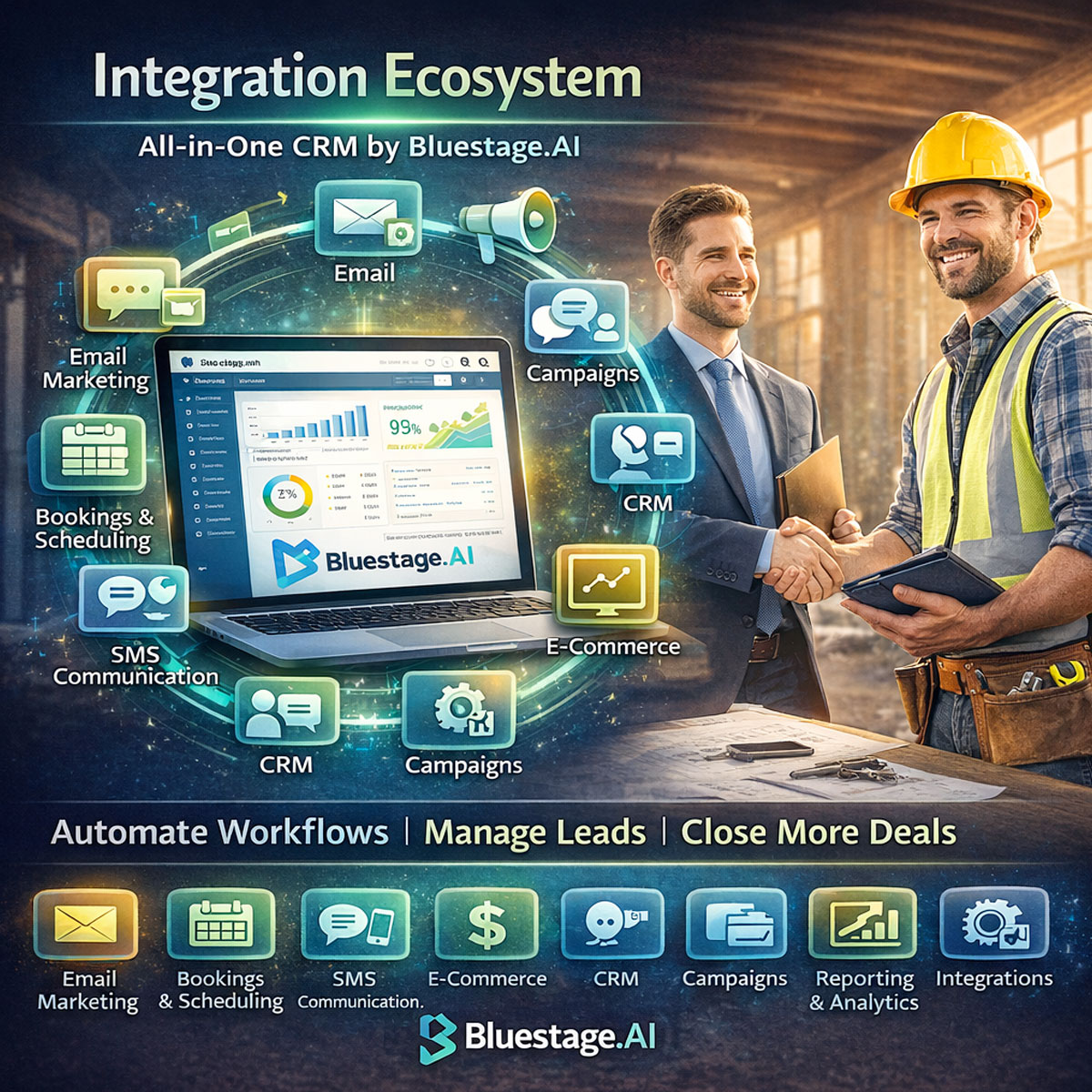
Integration Ecosystem
Connect CRM with accounting, estimating, and marketing tools. This creates a seamless workflow across the business.