
General Contractor CRM Software That Replaces Spreadsheets for Good

General Contractor CRM Software That Replaces Spreadsheets for Good

General Contractor CRM

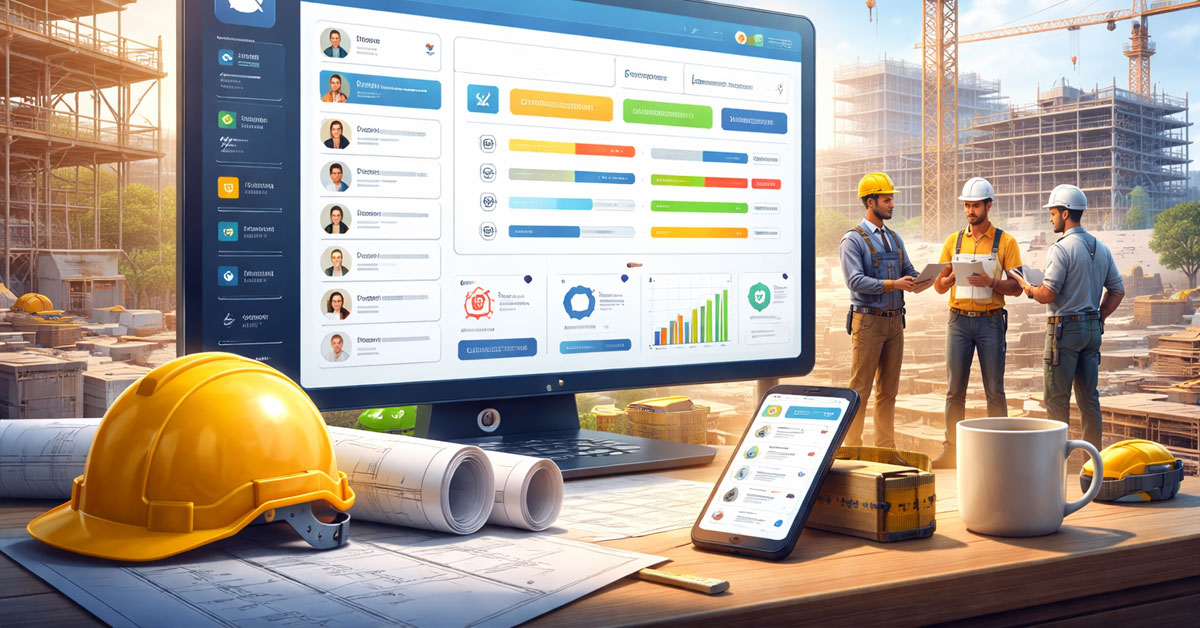
A General Contractor CRM is customer relationship management software built specifically for construction businesses. It tracks leads, estimates, approvals, crews, schedules, and payments in one system. Unlike generic CRMs, it mirrors real contractor workflows so no job, client, or deadline falls through the cracks.

What Is a General Contractor CRM?

A General Contractor CRM is not just contact software. Instead, it is an operational control center designed for construction workflows. It tracks every lead from the first phone call to final payment. As a result, contractors see their entire pipeline in one dashboard. Unlike generic CRMs, this system follows how builders actually work. For example, it manages estimates, approvals, crew scheduling, inspections, and invoicing. Therefore, it replaces spreadsheets, sticky notes, and scattered emails with one structured process.

General Contractor CRM Framework Comparison

Feature / FunctionGeneric CRMGeneral Contractor CRMOperational Impact
Lead TrackingBasicConstruction-specific stagesClear pipeline visibility
Estimate ManagementLimitedBuilt-in estimate trackingFaster approvals
Crew SchedulingExternal tools requiredIntegrated workflowFewer delays
Automated Follow-UpsManual setupPre-built contractor flowsHigher close rate
Invoice & Milestone RemindersRareAutomated alertsImproved cash flow
Job Status DashboardSales-focusedJob lifecycle focusedFull operational control

Why Generic CRM Systems Fail Contractors

Most CRMs were built for sales teams, not construction crews. Consequently, they focus on deals and contacts rather than projects and timelines. Contractors operate differently. They manage site visits, estimates, inspections, and material schedules. However, generic CRMs rarely support these steps. As a result, contractors end up building workarounds using spreadsheets. This creates risk. Leads get lost. Estimates sit without follow-up. Invoices go unpaid. Meanwhile, the owner assumes the team is “busy,” but the system lacks structure. A General Contractor CRM removes that chaos. It aligns software with field operations instead of forcing contractors into a sales model that does not match reality.

Core Features Every General Contractor CRM Must Have

Choosing the right system requires clarity. Therefore, focus on features that directly impact revenue and operations.

Centralized Lead & Estimate Tracking

Every incoming call, form, or referral enters one dashboard. Additionally, each lead moves through defined stages such as:

  • New Inquiry
  • Site Visit Scheduled
  • Estimate Sent
  • Pending Approval
  • Approved
  • Scheduled
  • Completed
  • This clarity eliminates guesswork.

Automated Follow-Up

Speed wins jobs. For example, automated text and email reminders can trigger after an estimate is sent. As a result, response times improve and close rates increase.

Most contractors lose deals due to silence. Meanwhile, automated follow-up ensures no prospect is forgotten.

Job Lifecycle Management

From first call to final payment, each project remains visible. Therefore, owners can quickly see:

  • What is pending
  • What is approved
  • What crews are scheduled
  • What invoices are unpaid

That visibility changes decision-making.

Invoice & Milestone Alerts

Cash flow drives survival. Consequently, automated reminders for invoices and inspections protect revenue. Instead of chasing payments manually, the system handles reminders consistently.

How a General Contractor CRM Increases Revenue

Organization directly impacts profit. However, many contractors underestimate how much revenue they lose from poor tracking. First, faster follow-up increases close rates. Even a 10% lift in conversions can mean thousands more per month. Second, fewer missed estimates prevent lost opportunities. Additionally, clear scheduling reduces downtime between jobs. Third, automated invoice reminders shorten payment cycles. As a result, working capital improves. Revenue growth is not always about more marketing. Sometimes, it is about operational discipline.

Who Should Use a General Contractor CRM?

This software benefits:

  • General contractors
  • Remodelers
  • Roofers
  • HVAC companies
  • Home builders
  • Specialty trade contractors

If your business runs on estimates, crews, approvals, and deadlines, you need structure. Meanwhile, smaller operations benefit just as much as larger teams.

Even solo contractors gain control. For example, automated follow-ups alone can recover lost revenue without hiring staff.

Real-World Workflow Example

Imagine a homeowner requests a kitchen remodel quote. First, the lead enters the CRM automatically from a web form. Then, the system schedules a site visit. After the estimate is sent, automated reminders trigger at 48 hours and 5 days. Meanwhile, the dashboard shows the job as “Pending Approval.” Once approved, it moves to “Scheduled.” Crew assignments and milestone reminders activate. Finally, invoice reminders ensure timely payment. This process removes friction. Therefore, the contractor focuses on building instead of chasing.

Key Metrics to Track Inside a General Contractor CRM

Smart contractors measure performance. Consequently, a strong CRM should track:

  • Lead-to-estimate conversion rate
  • Estimate-to-approval rate
  • Average job value
  • Sales cycle length
  • Invoice aging
  • Pipeline value

Data removes emotion from decisions. Additionally, it exposes bottlenecks quickly.

For example, if estimates sit too long, follow-up needs improvement. Meanwhile, if approvals are high but cash flow is slow, invoicing is the issue.


How to Choose the Right General Contractor CRM

Selection should be practical, not trendy. First, ensure it mirrors construction workflows. Additionally, confirm automation is built-in rather than requiring complex setup. Second, demand pipeline visibility. You should see all jobs in one screen. Third, verify scalability. As your company grows, the system must handle more crews and projects. Finally, prioritize ease of use. If your team avoids the software, it fails.

Frequently Asked Questions About General Contractor CRM

A General Contractor CRM tracks leads, estimates, jobs, and payments in one system. It automates follow-ups and reminders. As a result, contractors stay organized and close more jobs.
Regular CRMs focus on sales pipelines. In contrast, a General Contractor CRM manages project stages, crew scheduling, and job milestones. Therefore, it aligns with construction workflows.
Yes. Even solo contractors gain structure and automation. Additionally, automated follow-up alone can increase close rates without hiring staff.
Absolutely. Automated invoice reminders and milestone tracking shorten payment cycles. Consequently, cash flow becomes more predictable.
Modern systems are designed for contractors, not IT teams. Therefore, setup is usually simple. However, process discipline is required for full results.

Final Thoughts: Operational Control Wins More Jobs

Construction businesses do not fail from lack of skill. Instead, they struggle from lack of system control. A General Contractor CRM creates clarity. It tracks every lead. It organizes every job. It protects every invoice. Meanwhile, competitors still rely on spreadsheets. In today’s market, organization is leverage. And leverage wins contracts.

Share:

Table of Contents

Blue Stage AI Insights