
CRM for Home Builders
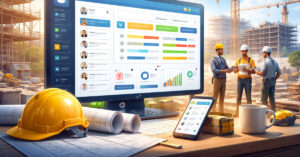
A CRM for Home Builders is software designed to track leads, estimates, contracts, construction stages, and payments in one system. It replaces spreadsheets and scattered communication, automates follow-ups, and helps builders manage projects from first inquiry to final walkthrough with full visibility and control.
Home building is complex. Leads come from many places. Estimates change. Crews rotate. Meanwhile, clients expect fast updates and clear timelines. Without structure, things slip.
A CRM built for builders brings order to that chaos. Instead of juggling emails, texts, and spreadsheets, everything lives in one dashboard. As a result, you see your full pipeline at a glance and know exactly what needs attention today.
CRM for Home Builders: Core System Components
| Feature Category | What It Does | Why It Matters for Builders | Example Use Case |
|---|---|---|---|
| Lead Management | Captures and organizes incoming inquiries | Prevents missed opportunities | Tracks web form, referral, and call leads |
| Estimate Tracking | Logs bids, revisions, and approvals | Increases close rate through follow-up | Sends automated reminders after 3 days |
| Job Pipeline Dashboard | Shows status from proposal to completion | Gives full operational visibility | See “Pending,” “Approved,” “In Progress” |
| Automated Follow-Up | Sends email and SMS sequences | Reduces manual chasing | Reminder after estimate delivery |
| Invoice & Milestone Alerts | Notifies clients of due payments | Improves cash flow | Automatic invoice reminder before due date |
| Team Task Assignment | Assigns jobs to office and field teams | Reduces internal confusion | Assign site visit to project manager |
| Reporting & Forecasting | Tracks revenue and conversion metrics | Supports growth decisions | View monthly close rate |
Why Generic CRM Tools Fail Home Builders
Many builders try standard CRM software. However, those systems are built for sales teams, not construction workflows.
Construction runs on estimates, approvals, scheduling, inspections, and milestone payments. Therefore, a CRM for home builders must reflect that reality. It needs stages like “Bid Sent,” “Permit Submitted,” “Foundation Poured,” and “Final Walkthrough.”
Without those custom stages, data becomes messy. Consequently, reporting loses meaning, and teams stop using the system.
Centralized Lead Tracking: Stop Losing Opportunities
Leads come from websites, referrals, social media, and paid ads. Meanwhile, office staff may log calls manually. If tracking is weak, someone forgets to follow up.
A strong CRM for home builders captures every inquiry automatically. Additionally, it tags the source. As a result, you know which marketing channels bring real contracts.
Over time, this data shows patterns. For example, you may discover that referrals close at 40% while paid ads close at 15%. That insight changes your budget strategy.
Automated Follow-Up Increases Close Rates
Most estimates do not close on the first send. However, many close after consistent follow-up.
Instead of relying on memory, automation handles it. For example, after an estimate is delivered, the system sends a reminder in three days. Then, it sends a second message in seven days if there is no response.
Because speed matters in construction sales, faster follow-up often wins the job. Therefore, automation directly impacts revenue.
Pipeline Visibility: From First Call to Final Payment
Builders manage dozens of projects at once. Without a visual pipeline, confusion grows fast.
A CRM for home builders shows every job stage in one dashboard. You see what is pending, approved, scheduled, or complete. Consequently, you reduce guesswork and increase control.
In contrast, spreadsheets require manual updates. They break easily. A dashboard updates in real time.
Managing Estimates and Change Orders
Change orders are common in custom homes. However, poor tracking leads to disputes.
A CRM system stores every estimate version and change request. Additionally, it timestamps approvals. As a result, you have a clear audit trail.
This documentation protects your business. Moreover, it builds client trust because communication stays transparent.
Scheduling and Crew Coordination
Home building involves crews, inspectors, suppliers, and clients. Therefore, communication must stay tight.
A modern CRM integrates scheduling tools. For example, once a contract is approved, tasks assign automatically to project managers. Meanwhile, milestone reminders notify clients.
Instead of endless back-and-forth calls, the system handles notifications.
Cash Flow Control Through Milestone Alerts
Revenue in construction often depends on milestone payments. Delays hurt operations.
A CRM for home builders sends automatic invoice reminders before due dates. Consequently, payments arrive faster. Additionally, reports show outstanding balances instantly.
Builders who monitor cash flow daily avoid surprises.
Reporting That Drives Smarter Growth
Growth without data is risky. However, a CRM provides measurable insight.
You can track:
- Lead-to-estimate ratio
- Estimate-to-contract conversion rate
- Average project value
- Sales cycle length
Because these metrics update automatically, you make decisions based on facts, not assumptions.
CRM for Home Builders vs. Spreadsheets
Spreadsheets feel simple at first. However, they break under growth.
In contrast, a CRM centralizes communication, stores client history, and automates follow-ups. Additionally, it scales as your company grows.
If your team spends hours each week updating manual sheets, automation can save 100+ hours per year.
How to Choose the Best CRM for Home Builders
Not all platforms fit construction workflows. Therefore, evaluate carefully.
Look for:
- Custom pipeline stages
- Automated SMS and email follow-up
- Estimate tracking
- Job progress dashboards
- Reporting tools built for contractors
Additionally, request a live demo. If the system feels generic, it likely is.
Implementation Strategy for Builders
Adoption fails when teams feel overwhelmed. Therefore, roll out in phases.
- First, migrate all active leads.
- Next, define pipeline stages clearly.
- Then, automate estimate follow-ups.
- Finally, train office staff and project managers.
Within 30 days, most builders see improved organization and faster response times.
FAQ: CRM for Home Builders
What is the main benefit of a CRM for home builders?
A CRM for home builders centralizes leads, estimates, contracts, and project stages in one system. As a result, builders gain full pipeline visibility and reduce missed follow-ups.
Can a CRM really increase close rates?
Yes. Automated reminders and faster response times significantly improve conversion rates. Therefore, builders who follow up consistently close more jobs.
Is CRM software hard to learn for construction teams?
Most construction-focused systems are simple. Additionally, dashboards mirror real job stages, which makes adoption easier than generic tools.
How does a CRM help with cash flow?
It sends invoice reminders and tracks payment milestones. Consequently, builders reduce late payments and maintain steady revenue flow.
Do small home builders need a CRM?
Yes. Even small teams benefit from organized lead tracking and automated follow-up. In fact, smaller builders often see faster impact because fewer systems are in place.