
CRM for Contractors: The Simple System That Helps Builders Win More Jobs
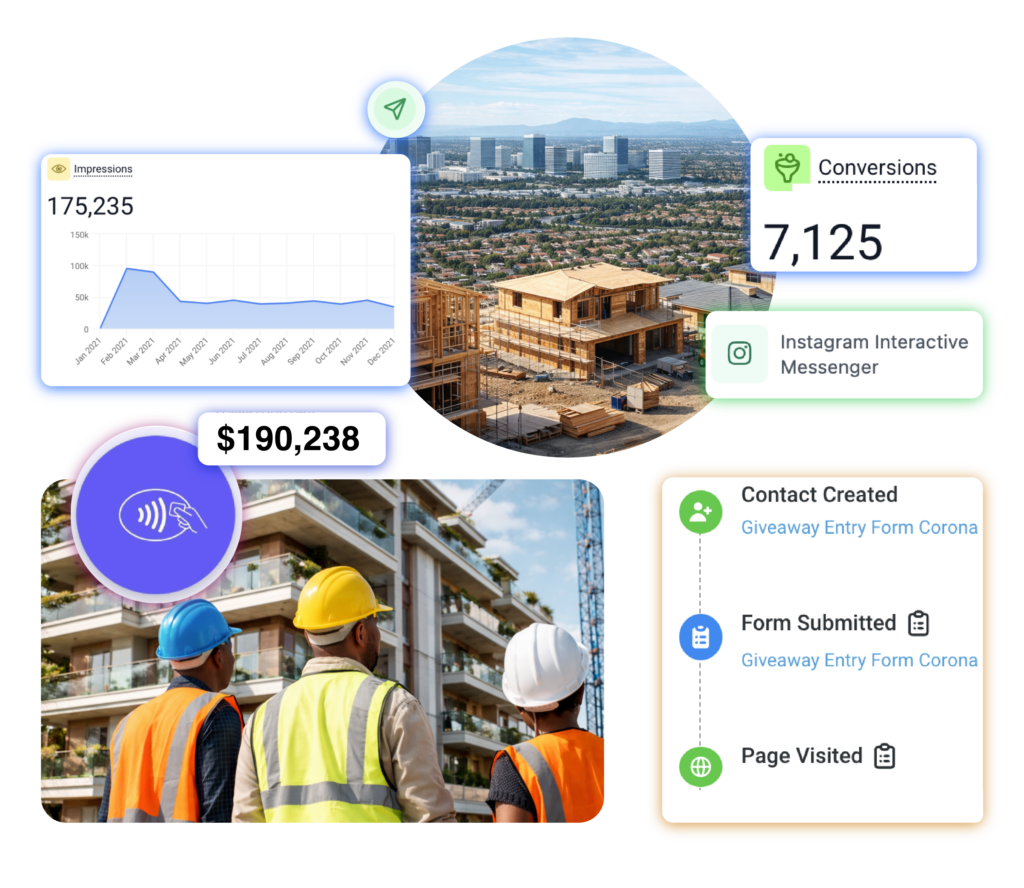
Why Contractors Need a CRM System
Construction companies often struggle with scattered information. Leads may arrive through calls, website forms, referrals, or social media. However, without a central system, those opportunities quickly get lost.
A CRM for Contractors solves this problem by placing every lead, estimate, and customer interaction in one organized platform. Consequently, contractors can track exactly where each job stands—from first inquiry to final payment.
Moreover, a CRM improves response speed. When potential clients receive fast follow-ups, they are far more likely to hire the contractor who responded first.






How a CRM for Contractors for
Improves Lead Conversion
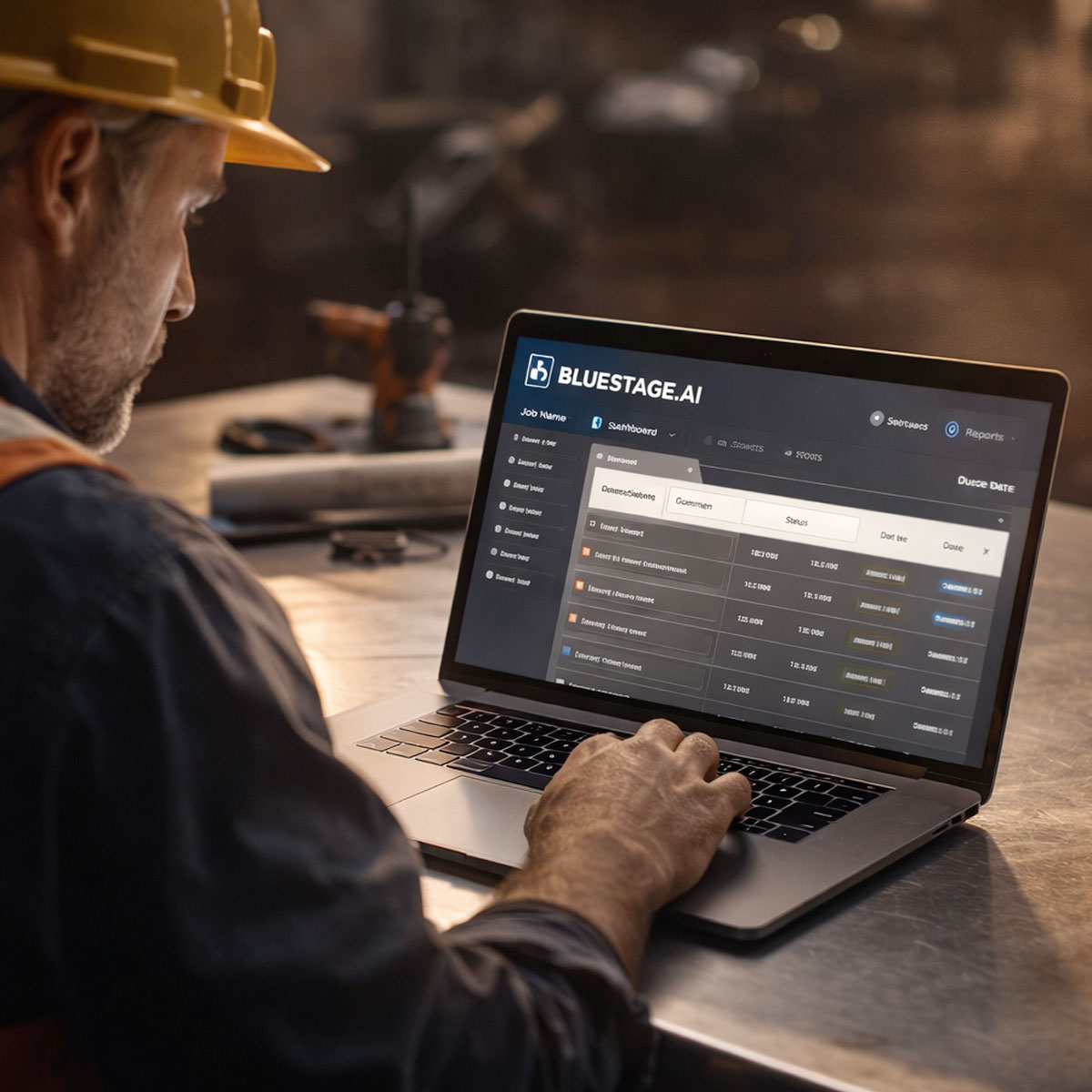
Track every estimate and job in one dashboard
Many contractors lose potential jobs simply because they respond too slowly. Meanwhile, competitors often win projects by contacting prospects faster.
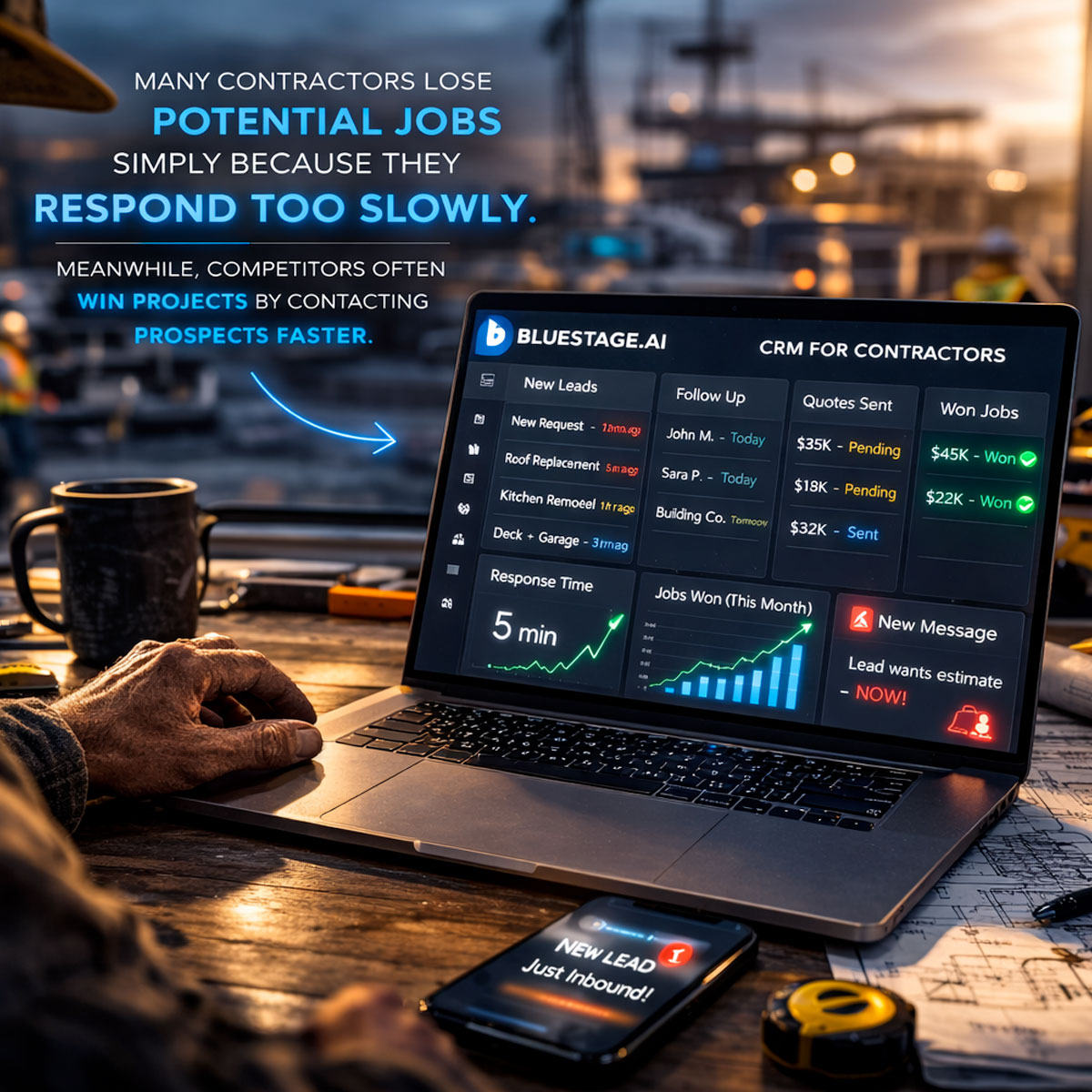
Automatic follow-up so no customer slips away
A CRM eliminates this delay by automating follow-ups. For example, after sending an estimate, the system can automatically send reminders via email or text message.

Send reminders for invoices, inspections, and milestones
Additionally, contractors can see their entire pipeline in one dashboard. Therefore, they know exactly which leads need attention and which estimates are awaiting approval.
The Contractor Workflow a CRM Organizes
Construction projects involve many moving parts. Fortunately, a CRM helps organize each step.
A typical contractor workflow managed inside a CRM includes:
- Lead captured through website or phone call
- Customer profile automatically created
- Estimate generated and sent to the client
- Automated follow-up reminders triggered
- Job scheduled once approved
- Crew and calendar coordinated
- Invoice and payment reminders sent
Because every stage is tracked, contractors gain full operational visibility.
All the Tools Inside the Bluestage Platform
Customer / Audience CRM
Organize leads in one secure, multi-lingual software. Create profiles, and track activity like never before.
Email Marketing
Design emails that people actually want to open. Done-for-You templates that are tested to increase Click Through Rate.
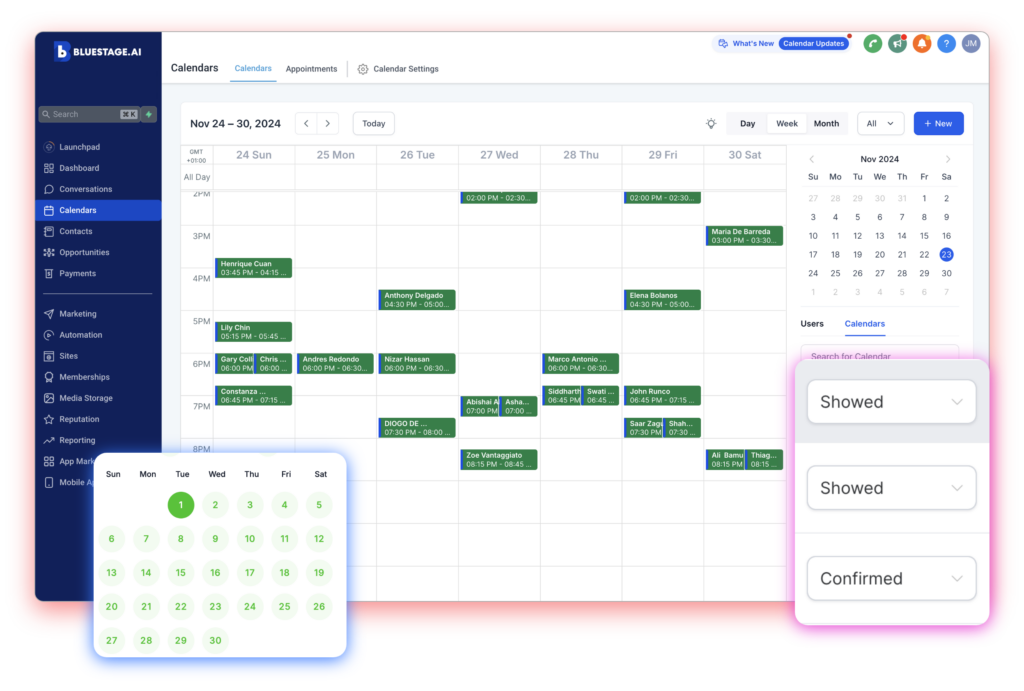
Calendar Scheduler
It's smart scheduling, seamless coordination with unlimited calendars, and automation.
SMS Bulk Text Blaster
Connect with your audience instantly through 2-way bulk SMS text messaging.
WhatsApp Bulk Sender
Enable WhatsApp messages for your audience - send to thousands instantly.
Sales Funnels
Streamline your sales funnels with automated lead capturing and follow-ups.
Workflow Automation
Automate tasks that take you time - lead follow-ups, reminders - ALL AUTOMATED
Landing Pages
Design landing pages or websites that convert traffic into leads.
Online Courses
Launch online courses while collecting payment upfront, or simply create subscriptions.
Surveys & Forms
Turn every interaction into an opportunity with branded Forms + Surveys for lead capturing.
Chatbot 24/7
Chatbot is a live, 24/7, smart, always-on chatbot that enhances support, captures leads, and streamlines bookings—automatically.
Tracking & Analyrics
Track and analyze your marketing campaigns, giving you a roadmap on what is working and what needs improvement.

Why Generic CRMs Often Fail Contractors
Essential Features to Look for in a CRM for Contractors
Choosing the right CRM requires evaluating features that match construction workflows.
The most valuable features include:
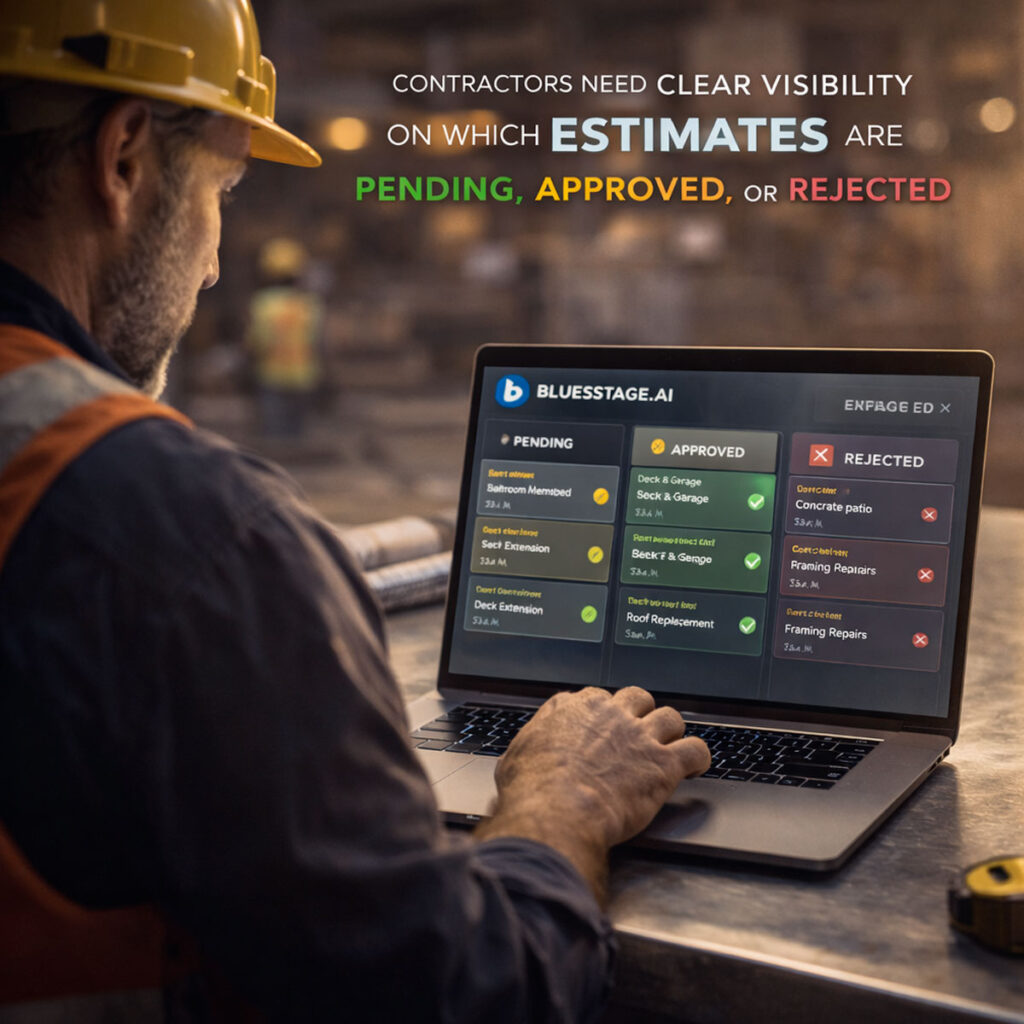
Estimate Tracking
Contractors need clear visibility on which estimates are pending, approved, or rejected.
Automated Communication
Text messages and emails should trigger automatically after quotes or job milestones.
Pipeline Visibility
A visual dashboard helps contractors quickly see which jobs are scheduled, active, or complete.
Scheduling Integration
Calendar tools simplify booking inspections, job starts, and team assignments.
Analytics and Reporting
Data insights reveal which marketing channels bring the most profitable leads.
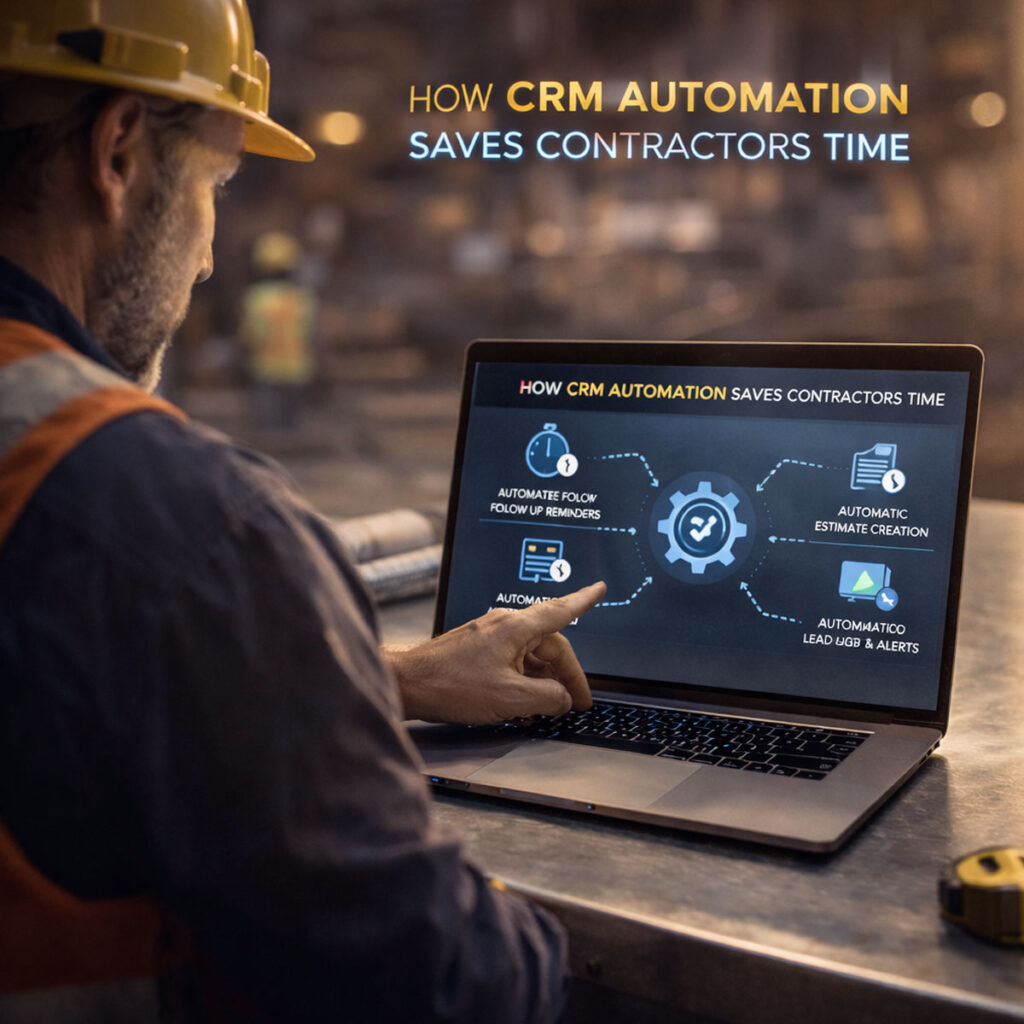
How CRM Automation Saves Contractors Time
Administrative tasks consume valuable hours every week. However, automation dramatically reduces this workload.
For instance, a CRM can automatically send:
- Estimate follow-ups
- Appointment reminders
- Payment notifications
- Review requests after project completion
Because these processes run automatically, contractors spend less time managing communication and more time completing projects.
Consequently, teams become more productive without hiring additional office staff.

The Impact of CRM Systems on Construction Business Growth
Many contractors rely on referrals and word-of-mouth marketing. While these channels remain powerful, growth becomes difficult without organized systems.
A CRM transforms how construction businesses scale. For example, every lead becomes traceable, every estimate is documented, and every job status is visible.
Additionally, automated follow-ups ensure prospects are never forgotten. Therefore, contractors capture more opportunities from existing traffic and marketing campaigns.
Over time, this structured approach creates predictable revenue growth.
How Platforms Like Bluestage Support Contractor Operations
Modern contractor CRM platforms integrate multiple tools into one ecosystem. One example is Bluestage, which combines marketing automation, communication tools, and customer management.
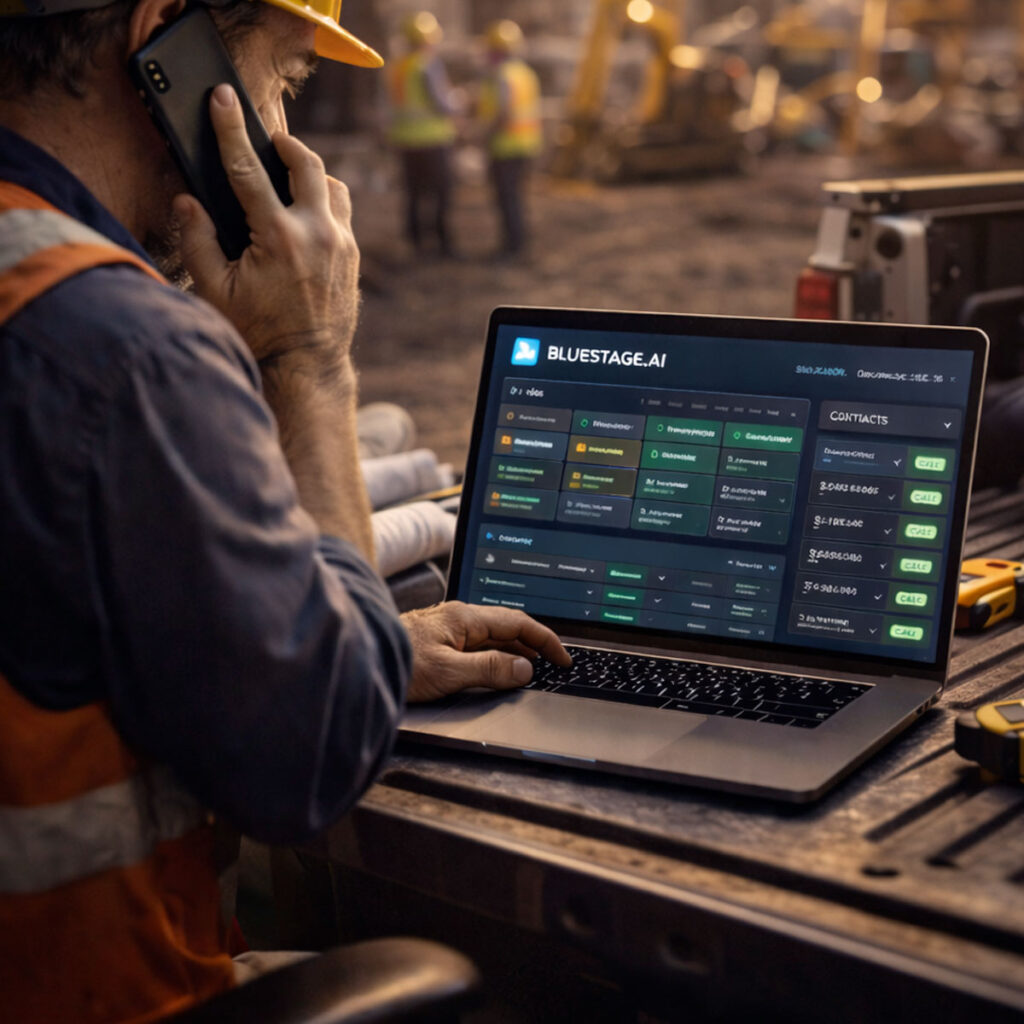
Instead of juggling multiple apps, contractors can manage their entire pipeline in a single dashboard.
For instance, Bluestage includes:
- Lead tracking and customer profiles
- Email marketing templates
- SMS communication tools
- Workflow automation
- Scheduling calendars
- Landing page builders
- Analytics dashboards
Because everything operates inside one system, contractors gain full operational control while reducing administrative complexity.

Signs Your Construction Business Needs a CRM
Some contractors hesitate to adopt new software. However, several warning signs indicate it is time for a CRM.
You may need a CRM for Contractors if:
- Leads are tracked in spreadsheets
- Follow-ups are inconsistent
- Estimates frequently go unanswered
- Communication with clients is scattered
- Scheduling becomes difficult to manage
If these issues sound familiar, implementing a CRM can significantly improve organization and profitability.
The Future of CRM for Contractors
Construction technology continues evolving rapidly. Meanwhile, CRM systems are becoming more intelligent and automated.
Future CRM platforms will likely include:
- AI-powered lead prioritization
- Predictive revenue forecasting
- Automated customer support chatbots
- Deeper integration with project management tools
Therefore, contractors who adopt CRM systems early gain a strong operational advantage.
Businesses that remain dependent on manual processes may struggle to compete in an increasingly digital marketplace.

Contractors use Bluestage to replace spreadsheets, sticky notes, and scattered apps with one organized system. Get Started Today.
The result:
- More closed jobs
- Less admin chaos
- Better customer experience